
Guidora Daily buying guide
Bedside Lamps for Reading Without Harsh Glare
Editorial disclosure: This guide is based on published product information, common household use cases, and practical selection criteria; it does not claim hands-on testing. Some retailer links may become affiliate links, which could earn us a commission at no extra cost to you. Read our full disclosure.
A decorative lamp can still be uncomfortable if the bulb is visible from pillow height. Shade depth, lamp height, and placement determine glare more than the fixture’s style.
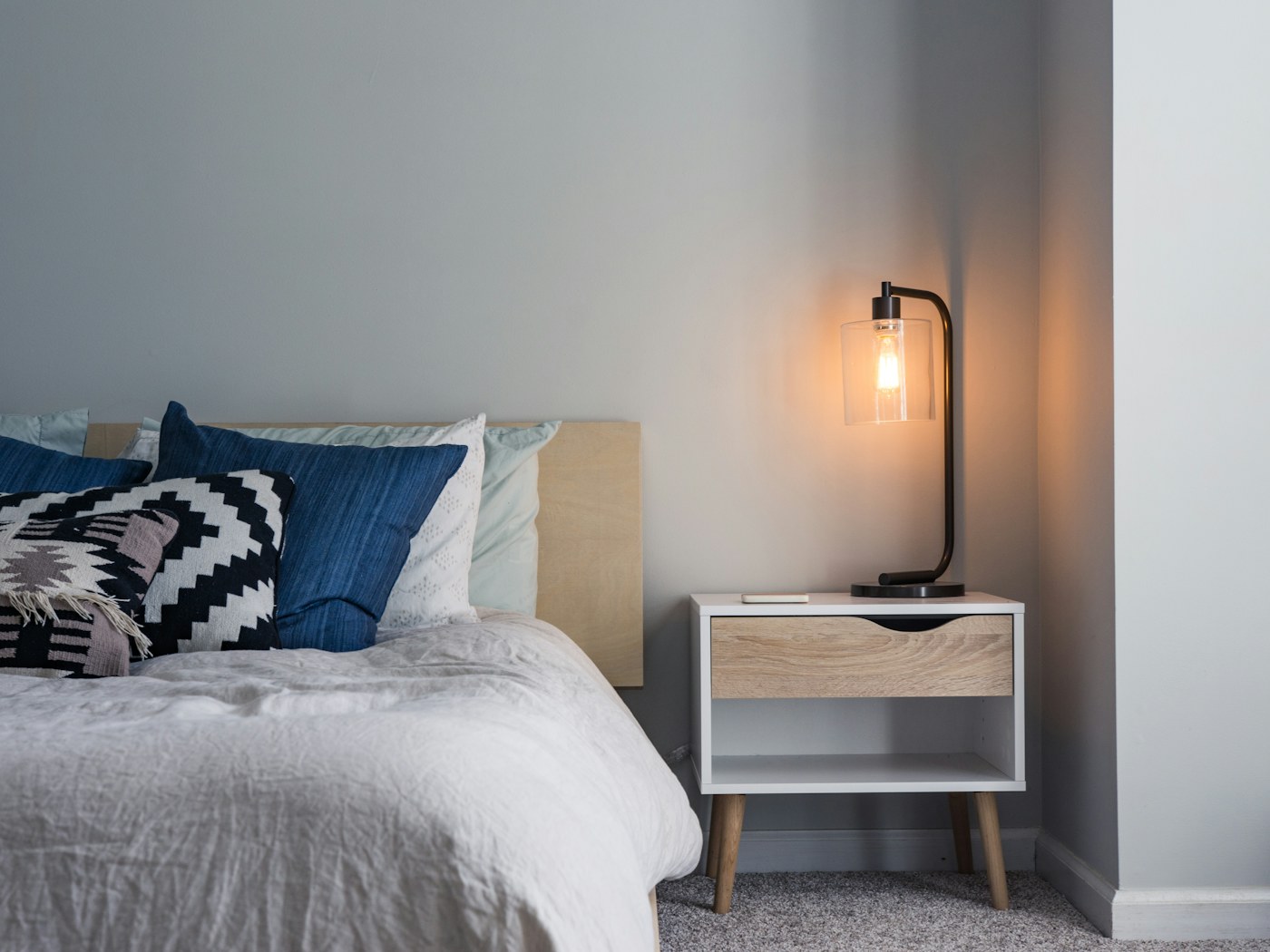
Good bedside light puts a warm, shielded pool on the page while keeping the switch easy to reach in the dark. The best purchase is the option that fits your space, habits, care routine, and household—not necessarily the model with the longest feature list.
Quick verdict
Begin with the friction you want to remove, then compare two or three formats that solve that specific problem. Check measurements and care requirements before adding features. If an item is awkward to clean, store, refill, or return to its place, it is unlikely to improve the routine for long.
What matters in a real home
A product page can tell you dimensions and materials. It cannot know the width of your cabinet door, who puts things away, or whether the item will be used in a five-minute morning rush. These are the practical checkpoints to bring into the comparison:
- Bulb hidden from the normal reclining sightline. Treat this as a minimum requirement before comparing finish or style.
- Switch or touch control reachable without stretching. Picture the busiest normal use, including wet hands, a full load, or limited light.
- Warm color temperature and appropriate output. Check the manufacturer’s current measurements and instructions rather than relying on listing photos.
- A base that leaves room for a phone and water. A simpler design that supports routine care is often the more durable value.
Measure the space twice: once when empty and once while nearby doors, drawers, or appliances are moving. If several people use the item, include the shortest reach, the heaviest realistic load, and the least patient cleanup in your decision.
Three useful directions
These are product types rather than unverified “winners.” They give you a focused starting point for comparing current listings and specifications.
1. Shaded table lamp
Best for: soft ambient light and traditional nightstands.
Why it works: A lined shade diffuses light across the page and room.
Tradeoff: It uses valuable tabletop area.
2. Adjustable wall reading light
Best for: tiny nightstands and focused reading.
Why it works: A movable head places light precisely and clears the surface.
Tradeoff: Mounting and cord routing need planning.
3. Dimmable clamp lamp
Best for: renters and temporary setups.
Why it works: It attaches to a sturdy headboard or shelf without permanent mounting.
Tradeoff: Clamp compatibility and cord strain must be checked.
Retail assortments change, so confirm the seller, dimensions, included parts, material, care instructions, safety guidance, and return terms on the current listing before ordering. We intentionally avoid displaying a fixed price when there is no verified price-update system.
A practical buying plan
1. Start with the routine, not the product
Describe the moment that currently goes wrong: where it happens, what is in your hands, how much time you have, and where the item will return afterward. That short scene eliminates many products that look convincing in isolation.
2. Measure the full path
Measure storage, working clearance, handles, lids, door swings, and the route between rooms. For anything washed, also check the sink, dishwasher, drying spot, or laundry machine that becomes part of ownership.
3. Compare upkeep and replacement parts
Look for removable components, current care instructions, and replacement availability. A lower purchase price can be poor value when a small proprietary part makes the entire item disposable.
4. Put the routine in place
- Sit in your normal reading position.
- Place the light slightly behind the shoulder.
- Check that the bulb is not directly visible.
- Route the cord away from walking paths and bedding.
What not to overpay for
Do not rely only on bulb watt-equivalent. Fixture shade, beam angle, wall color, and dimming range all change how bright the light feels at the page.
Premium finishes, oversized bundles, app features, and accessory packs may be worthwhile only when they serve a task you already perform. Put the budget into the part you touch, clean, move, or rely on most often.
Questions people ask
How many options should I compare?
Usually three well-chosen formats are enough: a simple value option, a flexible middle option, and a specialized option. Compare the same practical criteria across each one instead of opening dozens of nearly identical listings.
Does a higher price mean better quality?
Not by itself. Look for material details, construction, serviceable parts, care requirements, a useful warranty, and a return process. Pay more only when the upgrade supports your actual use case.
How does Guidora Daily make recommendations?
We organize choices by household scenario and rely on published specifications and manufacturer guidance. Unless an article explicitly documents a test method, it should not be read as a claim that our team personally tested a product.
Continue reading

Pillows for Side, Back, and Combination Sleepers
Start with the gap between head and mattress, then consider adjustability, heat, and how often you change position.
How to Choose Bath Towels That Dry Well
The plushest towel is not always the easiest towel to live with; balance absorbency with airflow, wash time, and bathroom humidity.