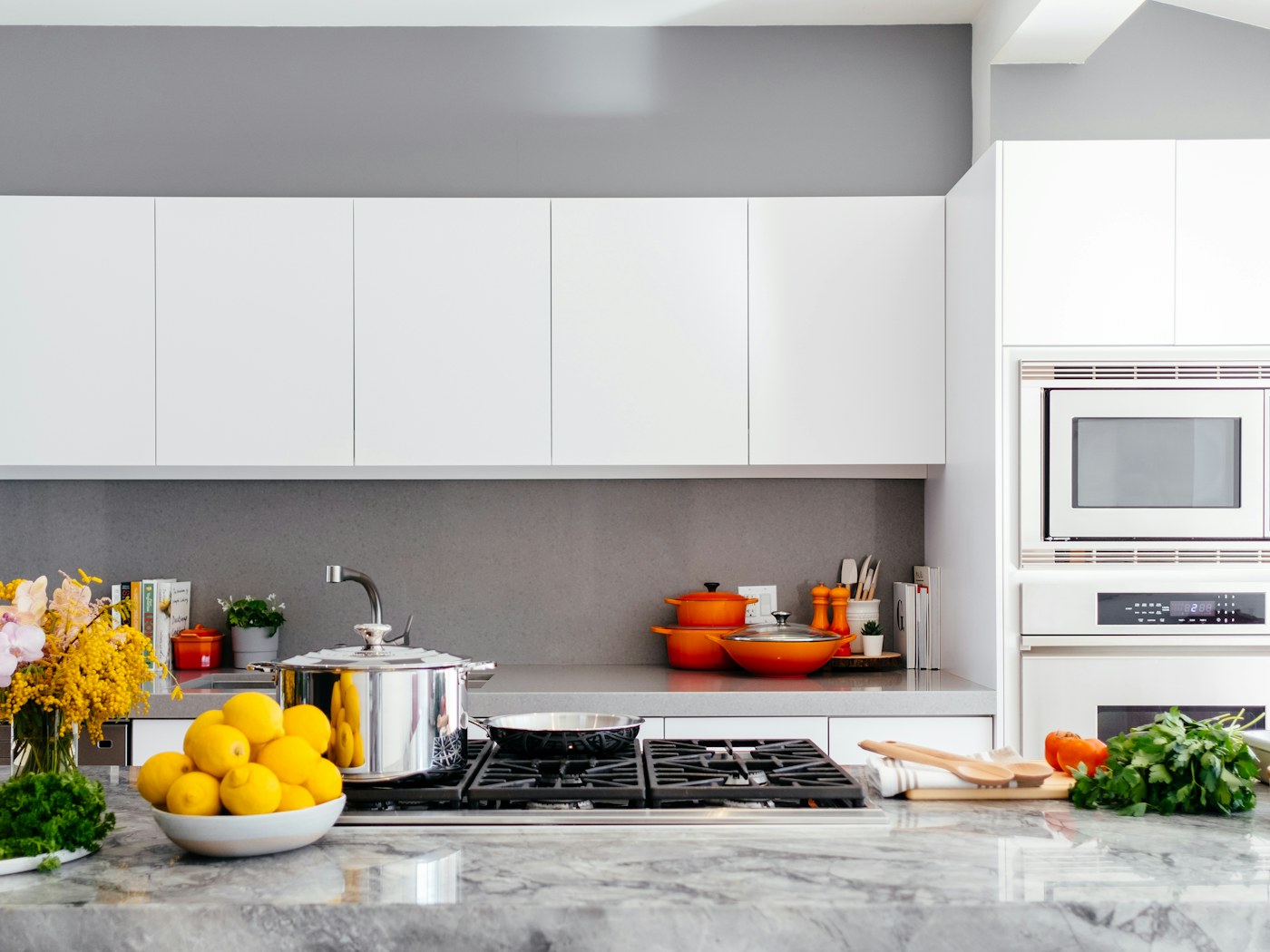
Best Pantry Containers for a Calm Weeknight Kitchen
A practical container system should make staples visible, easy to scoop, and simple to refill—not turn groceries into a decanting hobby.

Search across all 40 household guides.
A practical container system should make staples visible, easy to scoop, and simple to refill—not turn groceries into a decanting hobby.
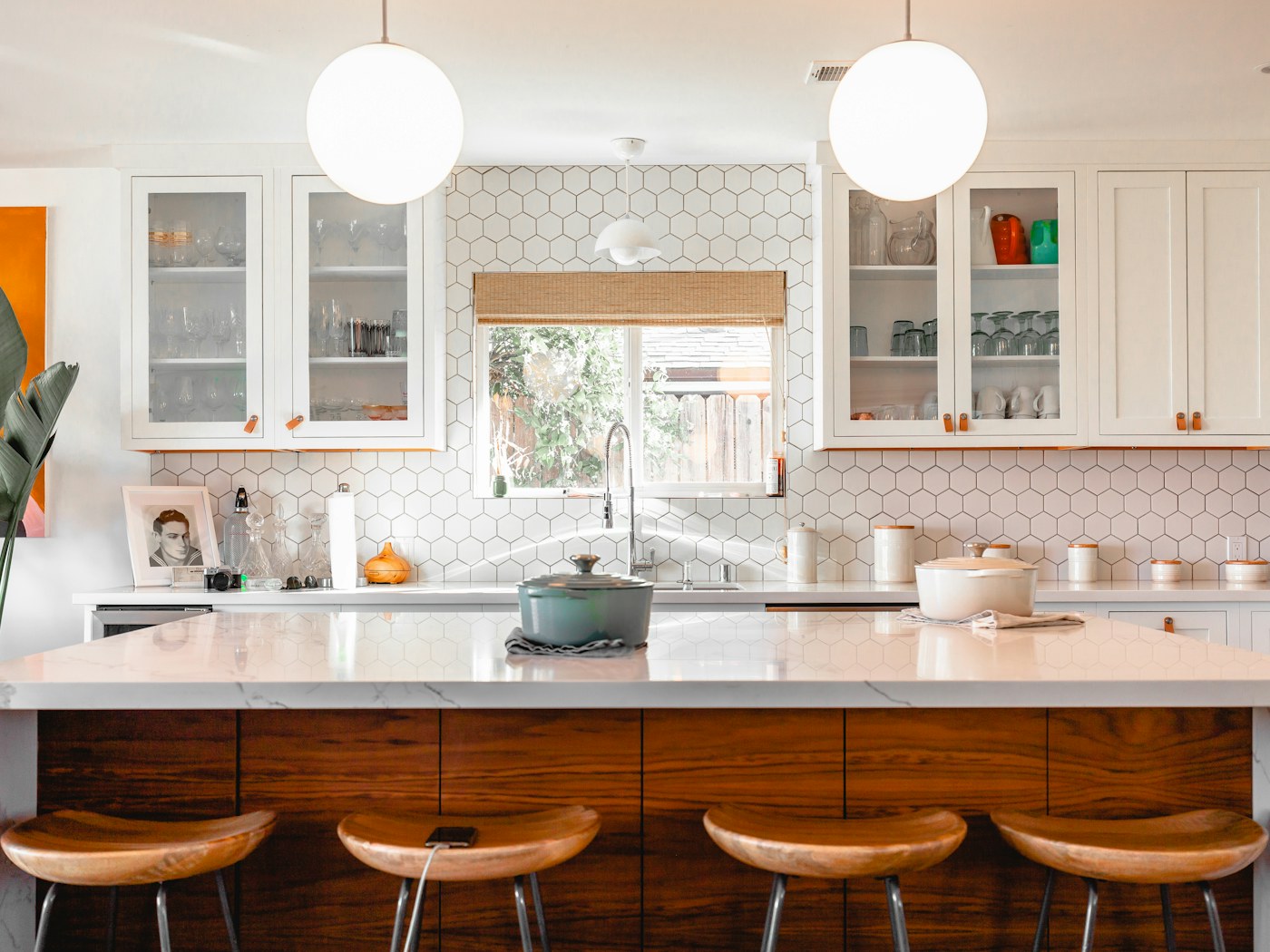
The right rack handles your real dinner load, drains toward the sink, and gives the counter back when dishes are dry.

A useful drawer insert starts with the long whisk, bulky peeler, and odd serving spoon—not a staged set of identical flatware.

Choose containers around leftovers, lunches, and freezer habits so lids stay findable and the system survives a rushed Tuesday.

A compact coffee zone works when the mug, beans, water, and cleanup path live within one or two steps.
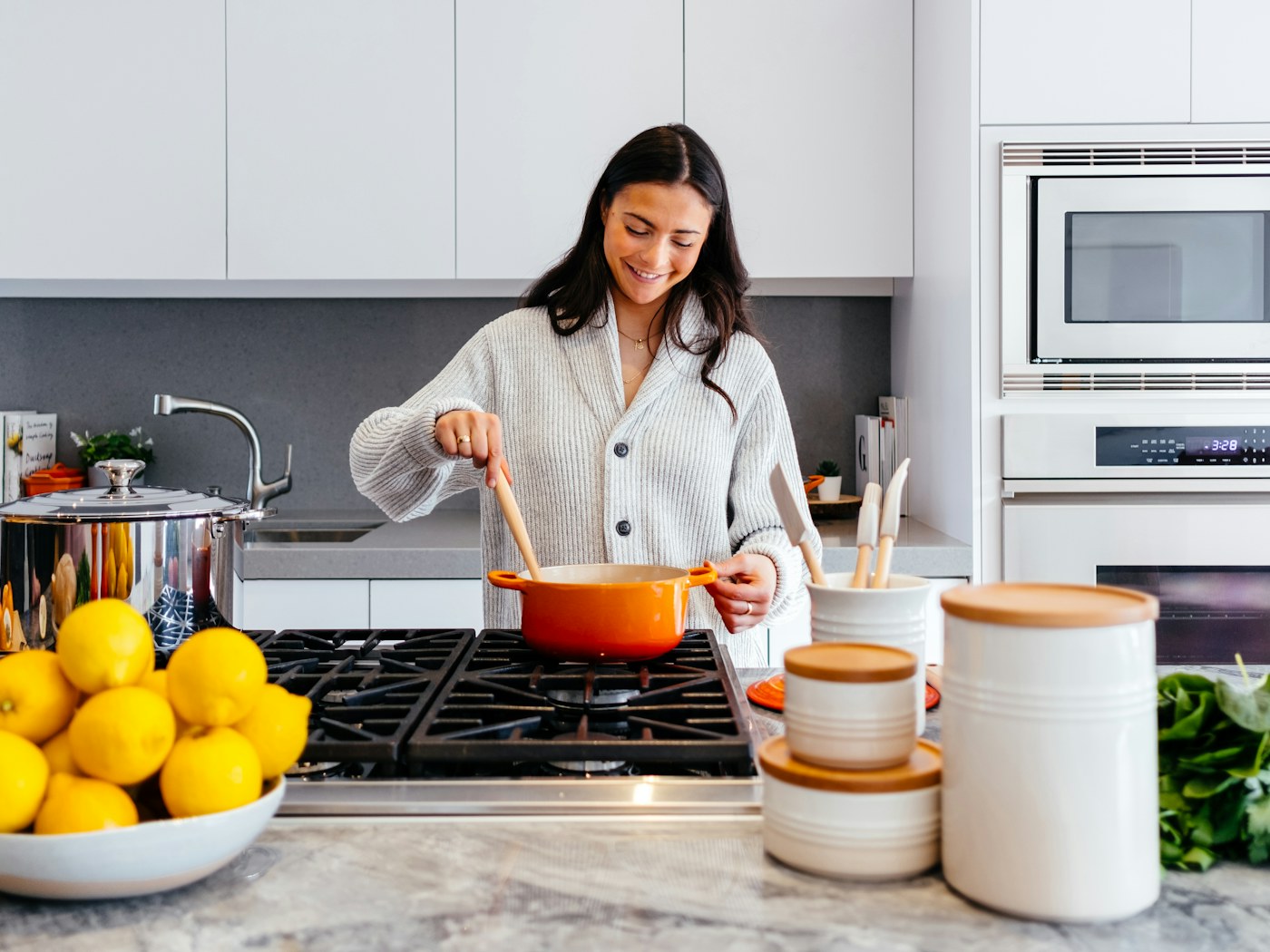
Material matters, but size, stability, cleaning habits, and how you separate raw proteins matter even more.
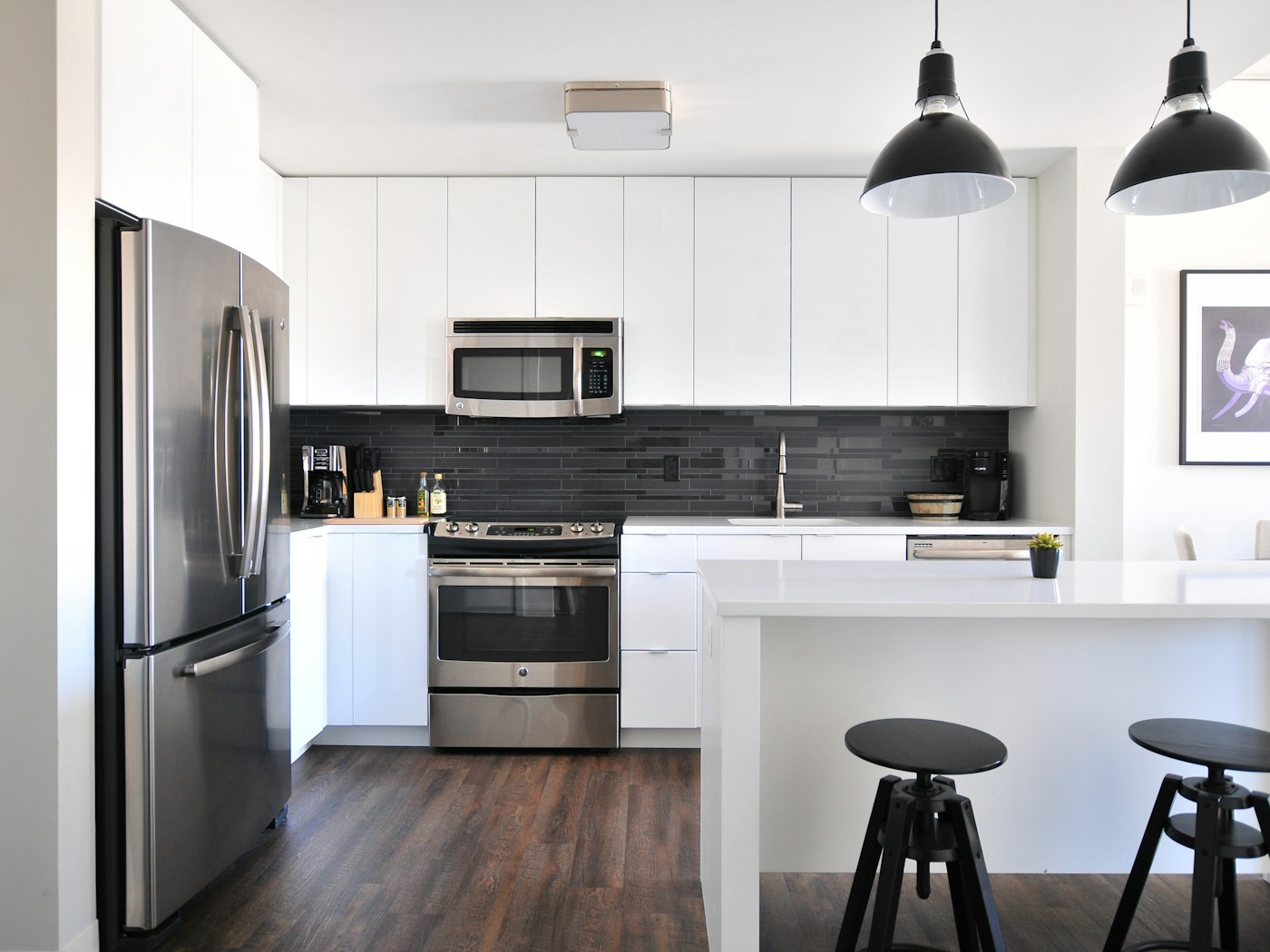
In a small kitchen, odor control comes from right-sized capacity, a cleanable lid, and a schedule that prevents food waste from lingering.
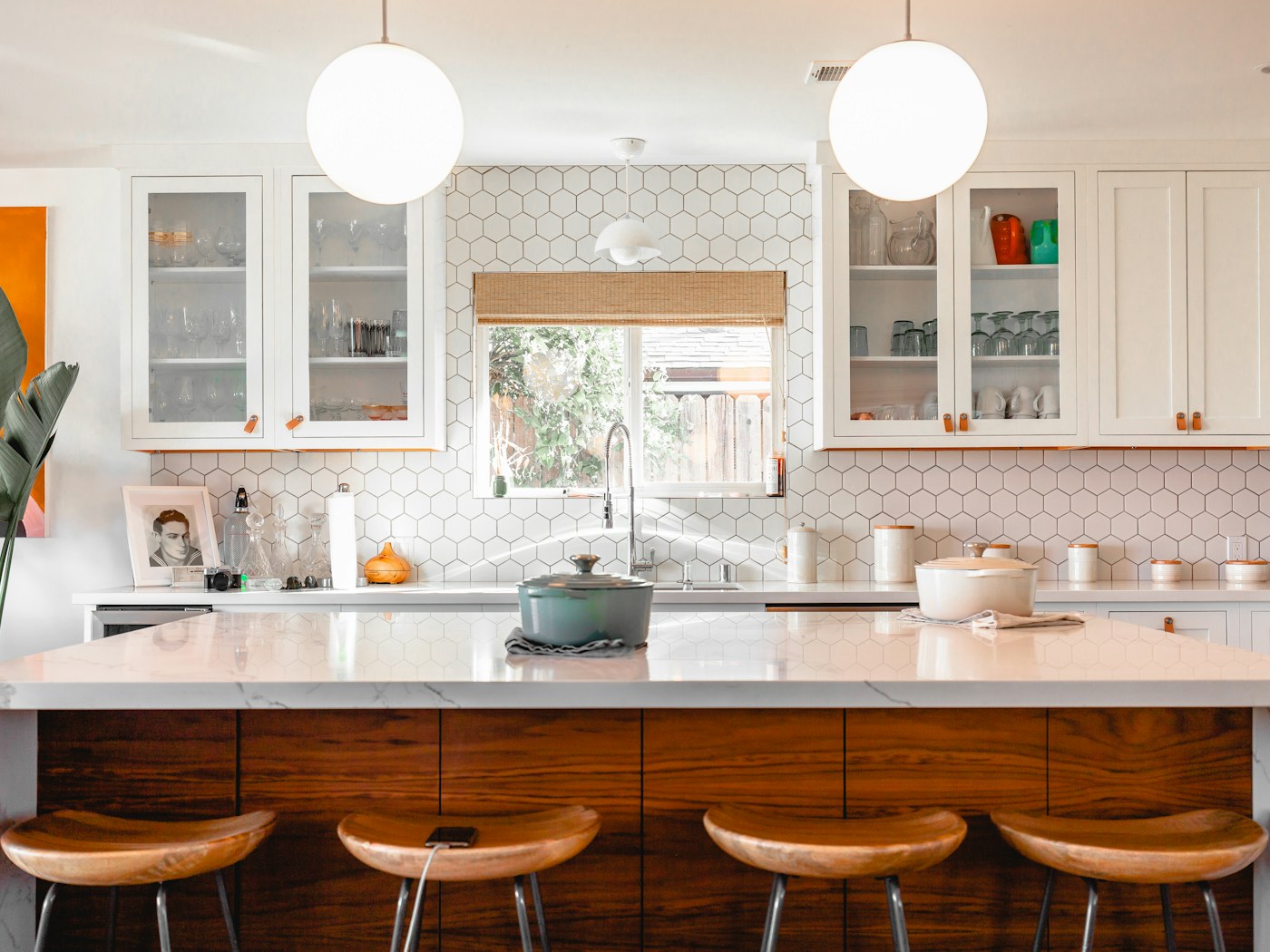
Build a durable set around your dishwasher, cabinet height, and meals—not a formal place setting you rarely use.
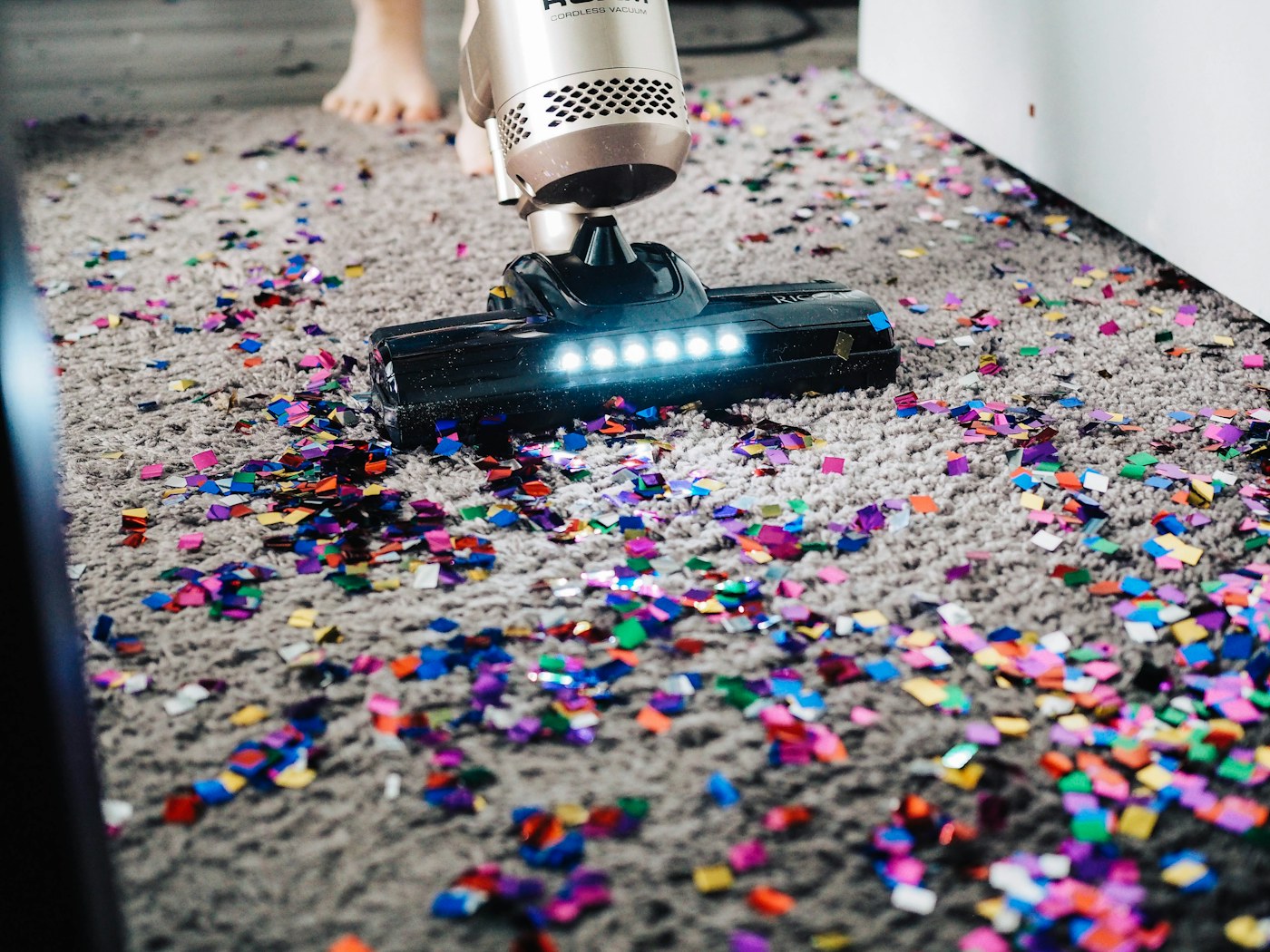
The best caddy is light enough for stairs and stocked for quick resets, while bulky refills stay safely in one home base.

A small set of clearly separated cloth types can clean glass, counters, and dusty surfaces without spreading grease between rooms.
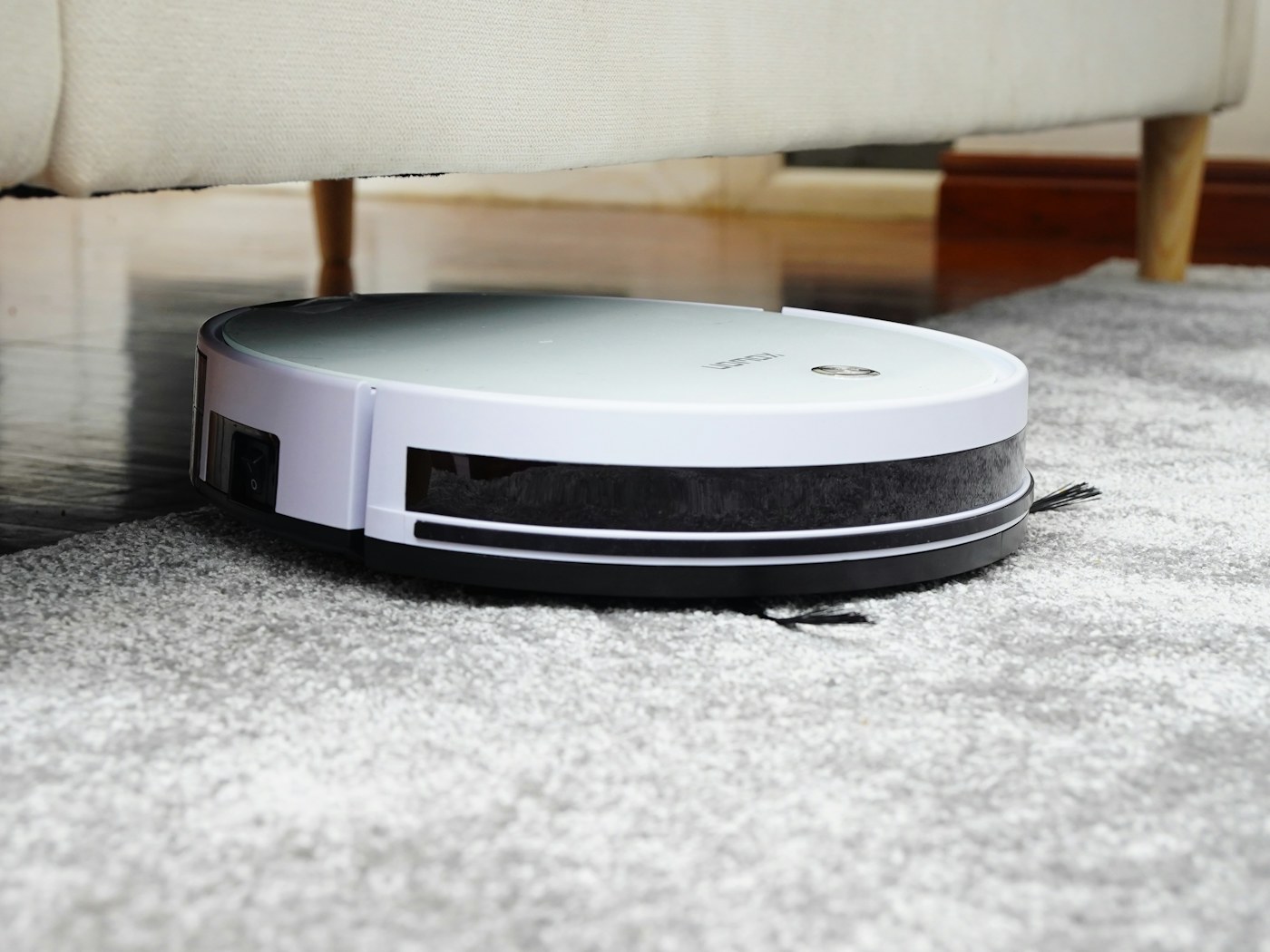
For quick cleans, handling, floor-head design, and an accessible charging spot matter more than the biggest advertised power number.

The useful mop is easy to rinse, keeps dirty water controlled, and suits the flooring—not simply the one with the most attachments.

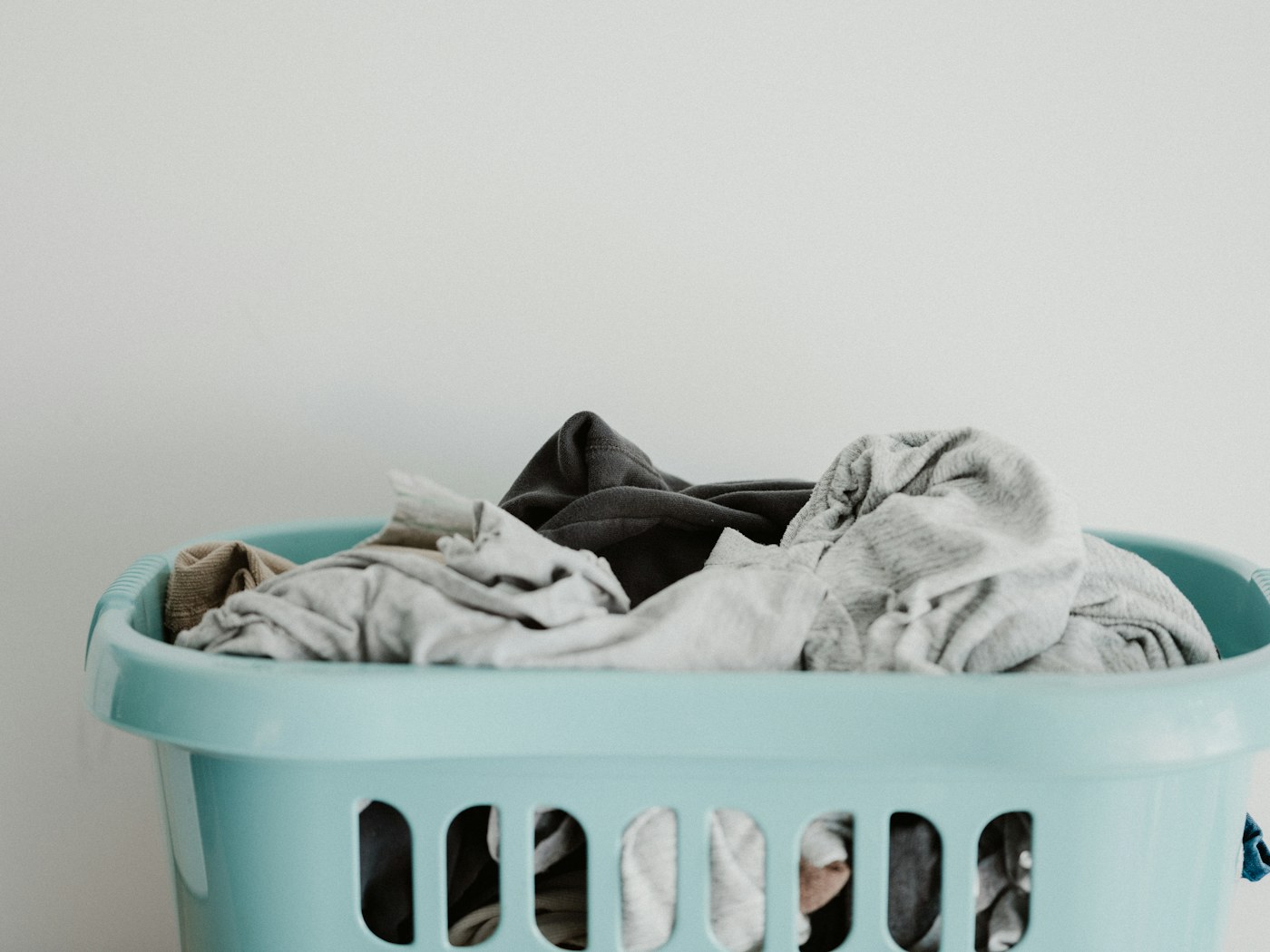
Put sorting where clothes come off and carrying where laundry begins; one oversized basket rarely does both jobs well.
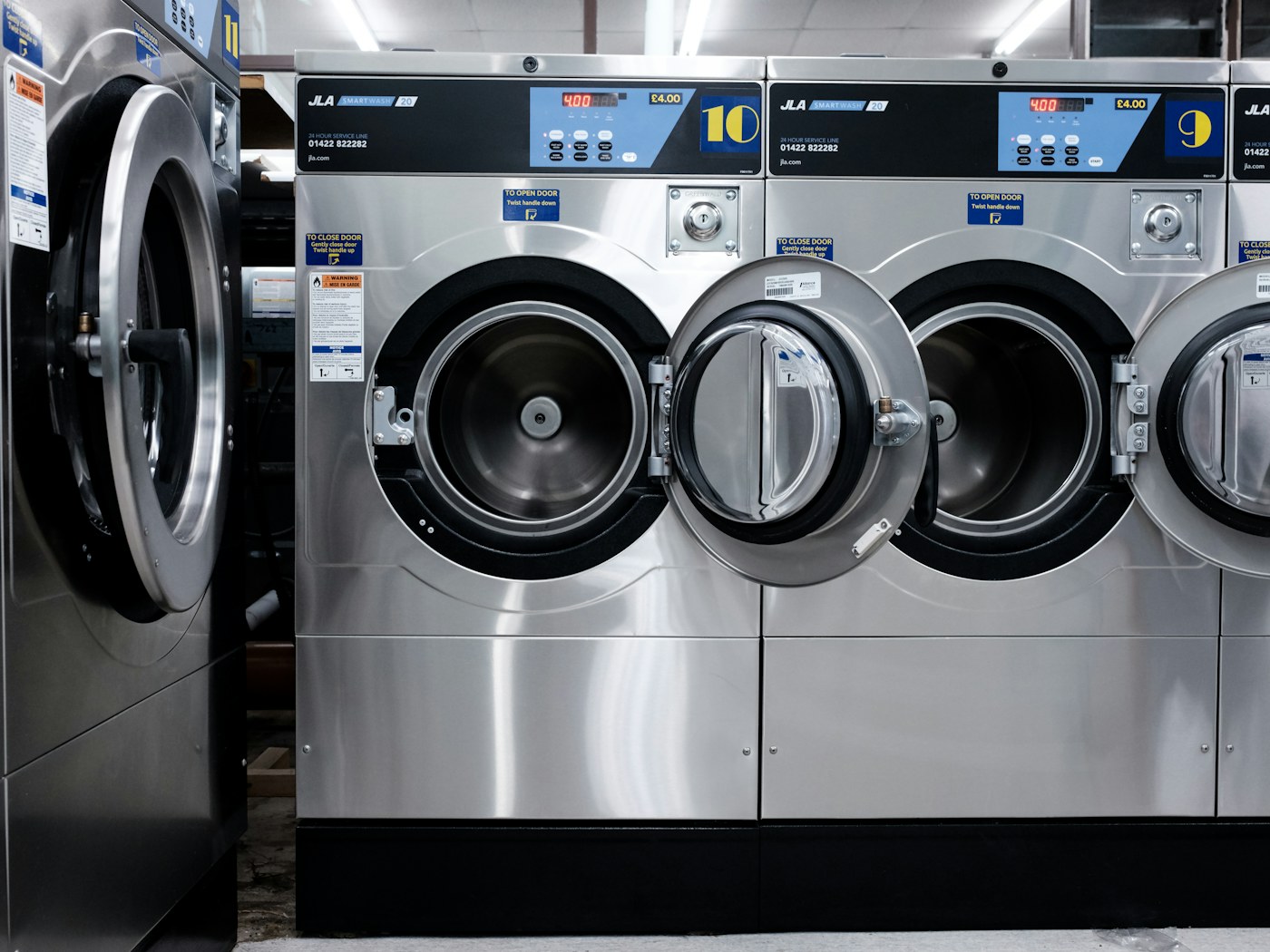
A drying rack should fit the garments you air-dry, leave airflow between them, and disappear when the floor is needed.
For weekday use, quick setup, a comfortable handle, and predictable water behavior are more valuable than a giant accessory kit.
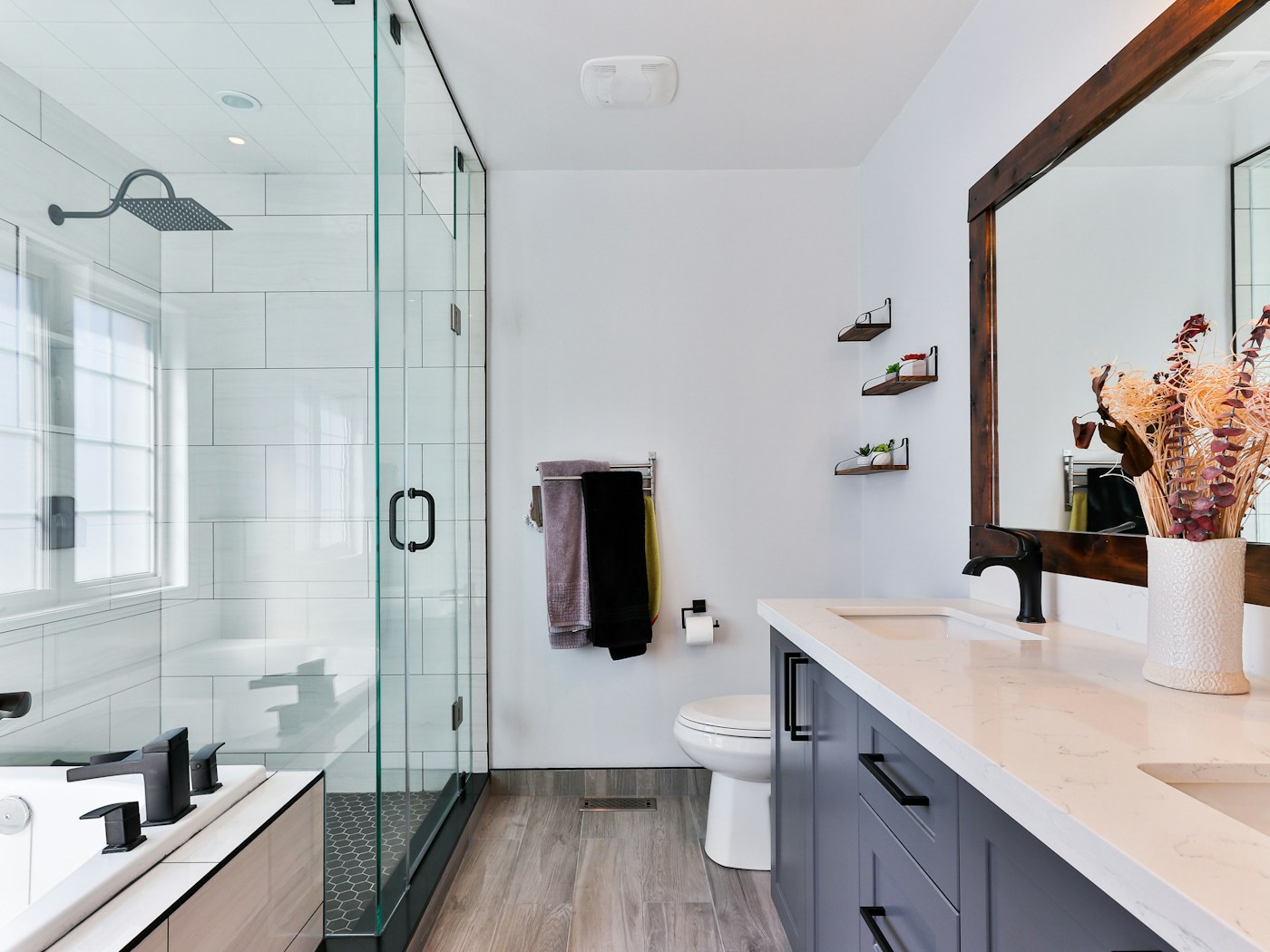
A small bathroom kit should reach corners, separate toilet tools, and dry between uses without becoming another cluttered basket.
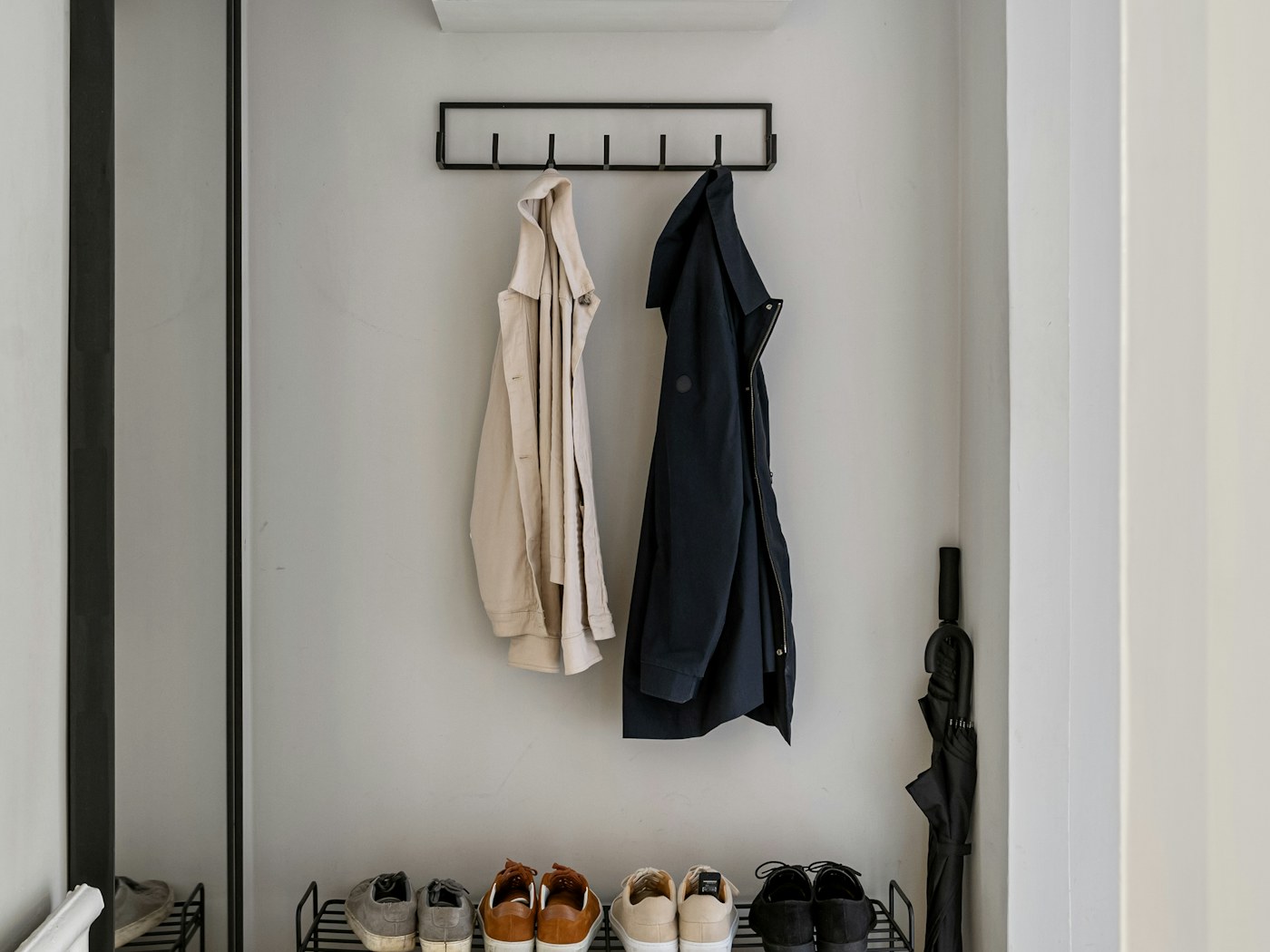
Design the entry around the first 30 seconds at home: shoes off, keys down, bag hung, mail contained.

Use the space for contained, low-frequency items with sealed tops and handles you can reach without moving the bed.
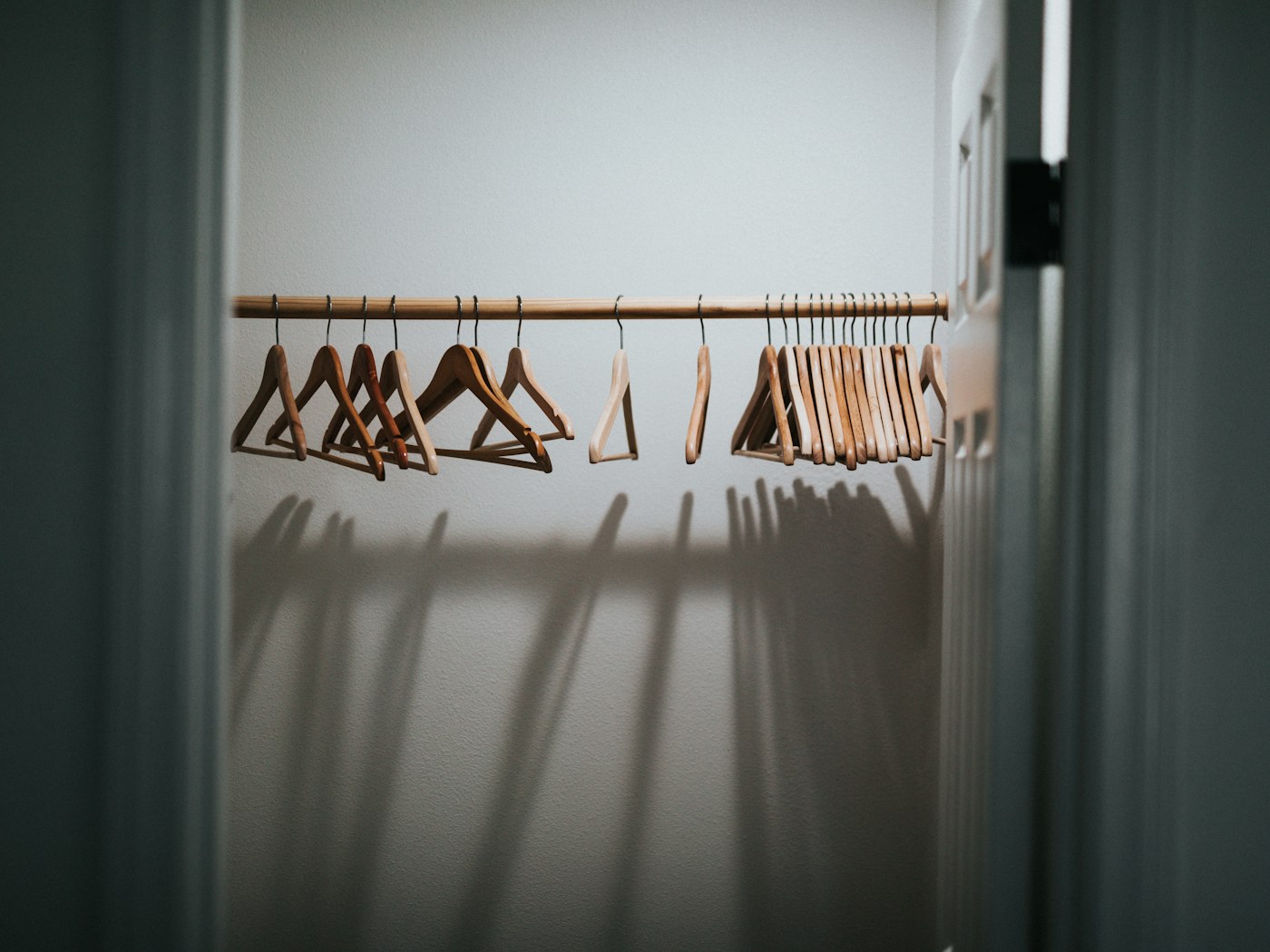
Match hanger shape to garments and closet width; one uniform hanger is not automatically right for every fabric.

Visibility helps with backstock; visual calm helps in living spaces. Use each container where its strength supports the room.

Manage power safely first, then route the cables that move and label the ones you will eventually unplug.

Low, broad categories and lightweight open bins make cleanup a repeatable family routine rather than a sorting test.
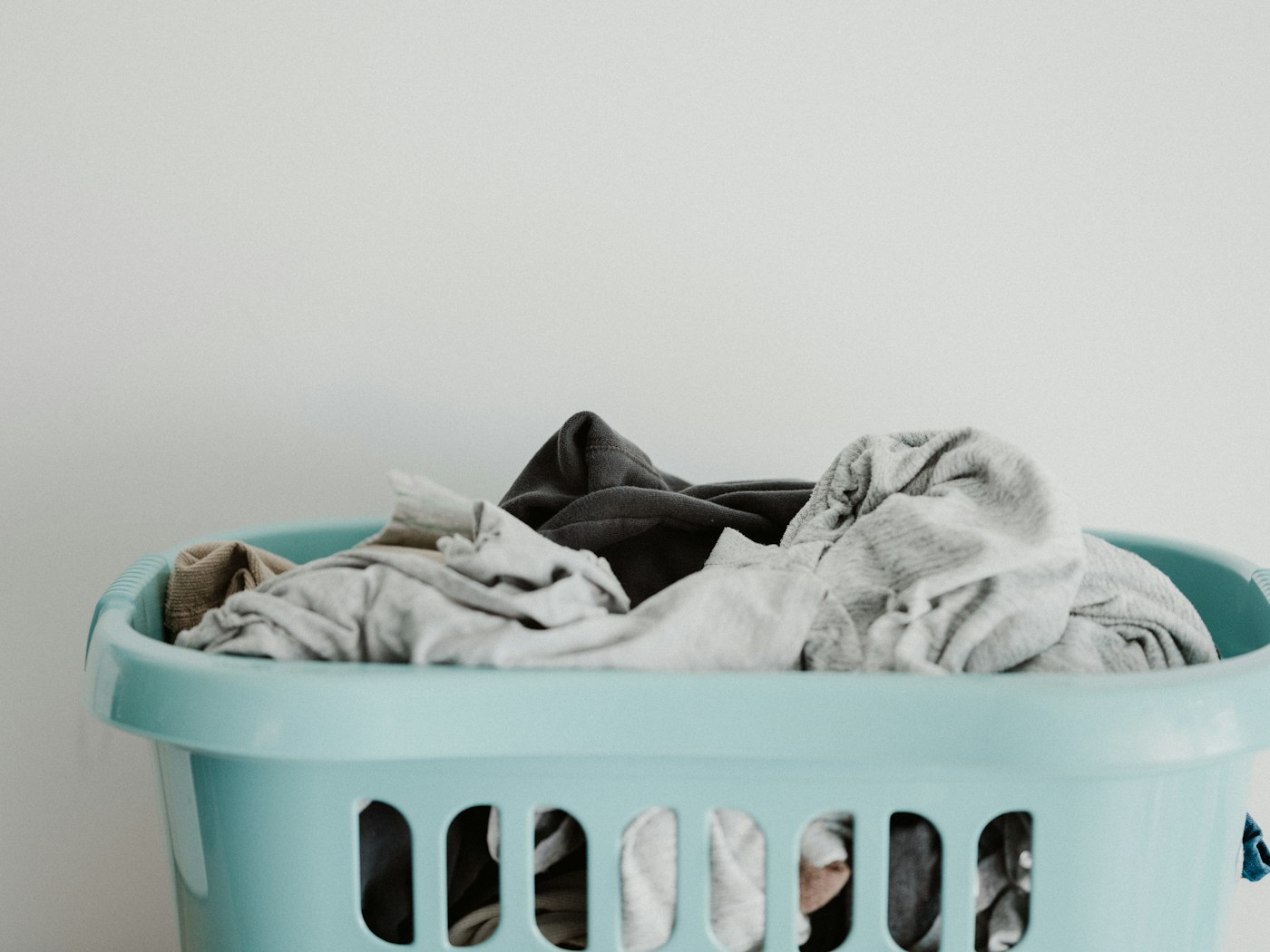
Give towels breathing room, limit backstock, and make the next full set easy to grab in one motion.

Load rating, wall/floor conditions, bin dimensions, and safe anchoring matter more than fitting the maximum number of shelves.

Start with the gap between head and mattress, then consider adjustability, heat, and how often you change position.
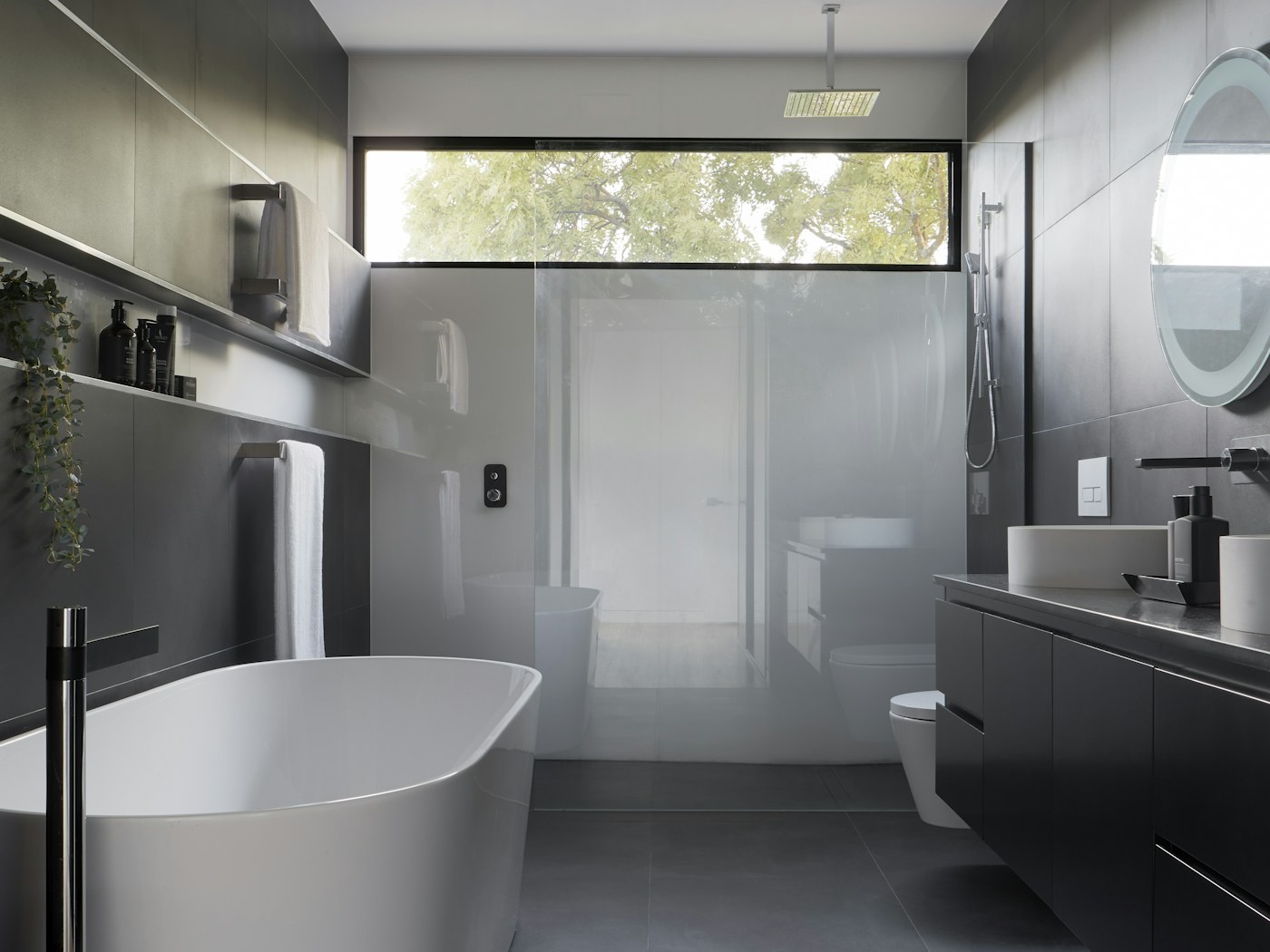
The plushest towel is not always the easiest towel to live with; balance absorbency with airflow, wash time, and bathroom humidity.
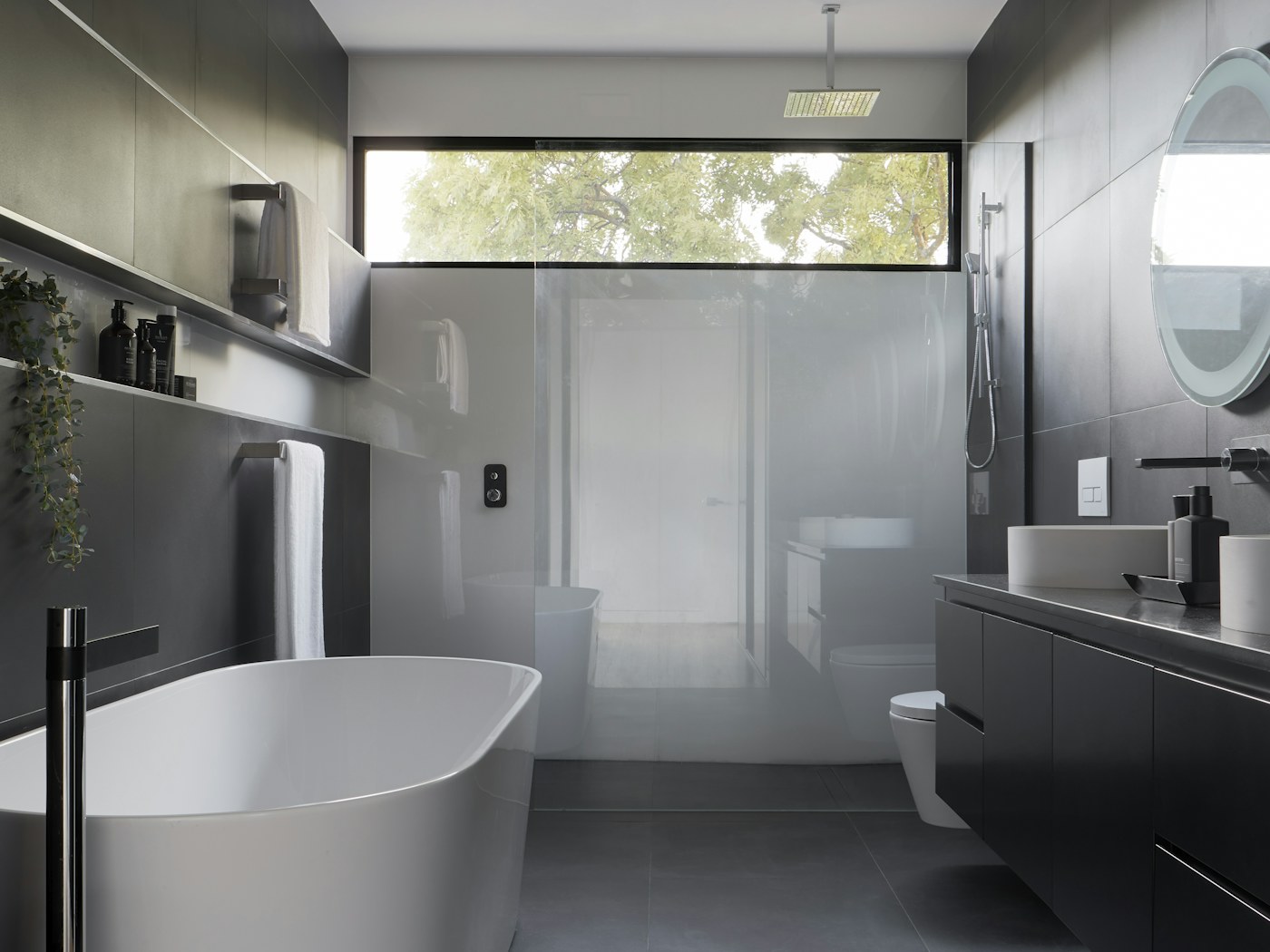
Choose the mounting method for the actual surface and loaded weight, then prioritize drainage and bottle access.
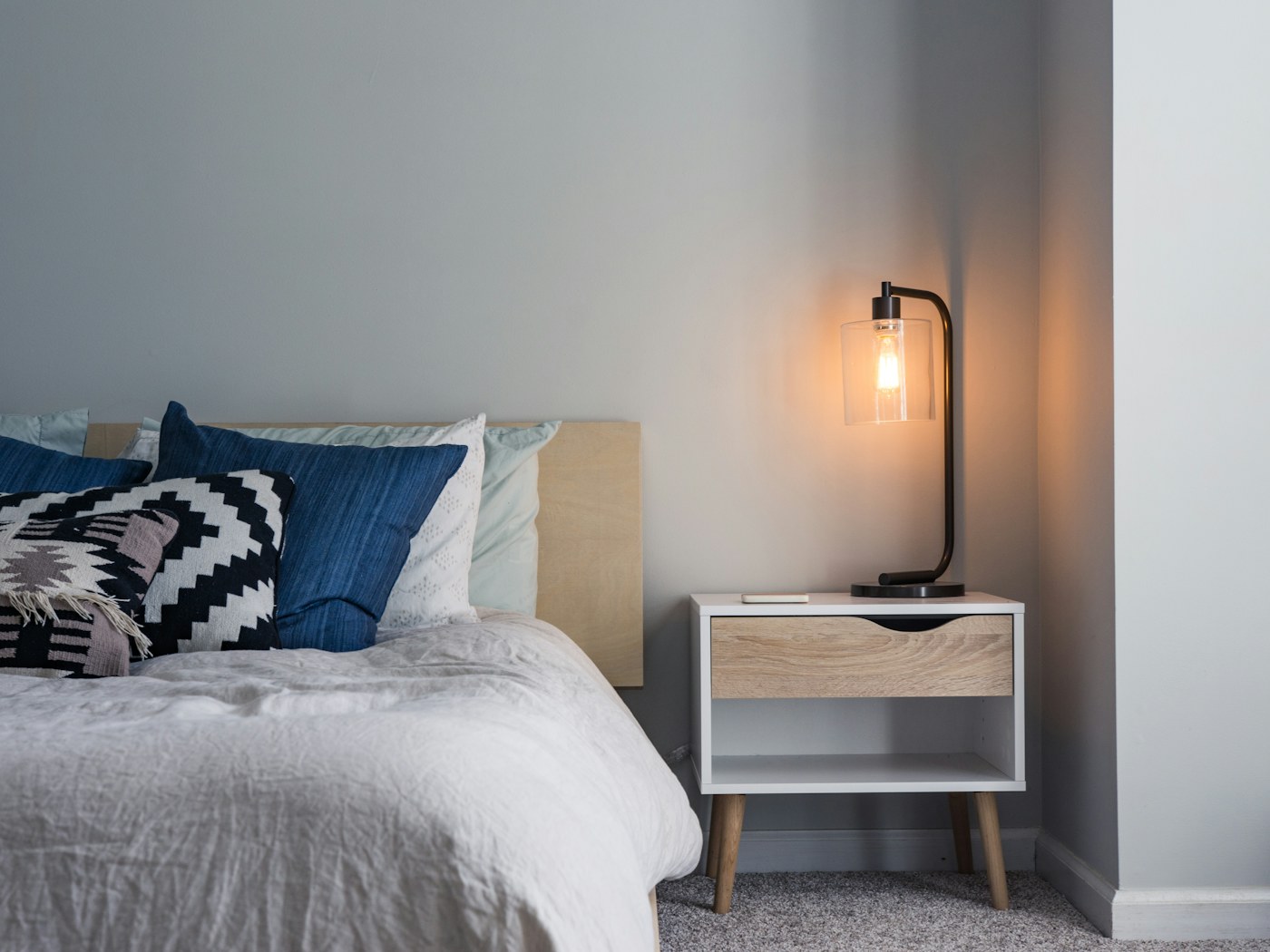
Good bedside light puts a warm, shielded pool on the page while keeping the switch easy to reach in the dark.

Protection, breathability, noise, and fit trade against each other; choose for the risk you actually need to manage.
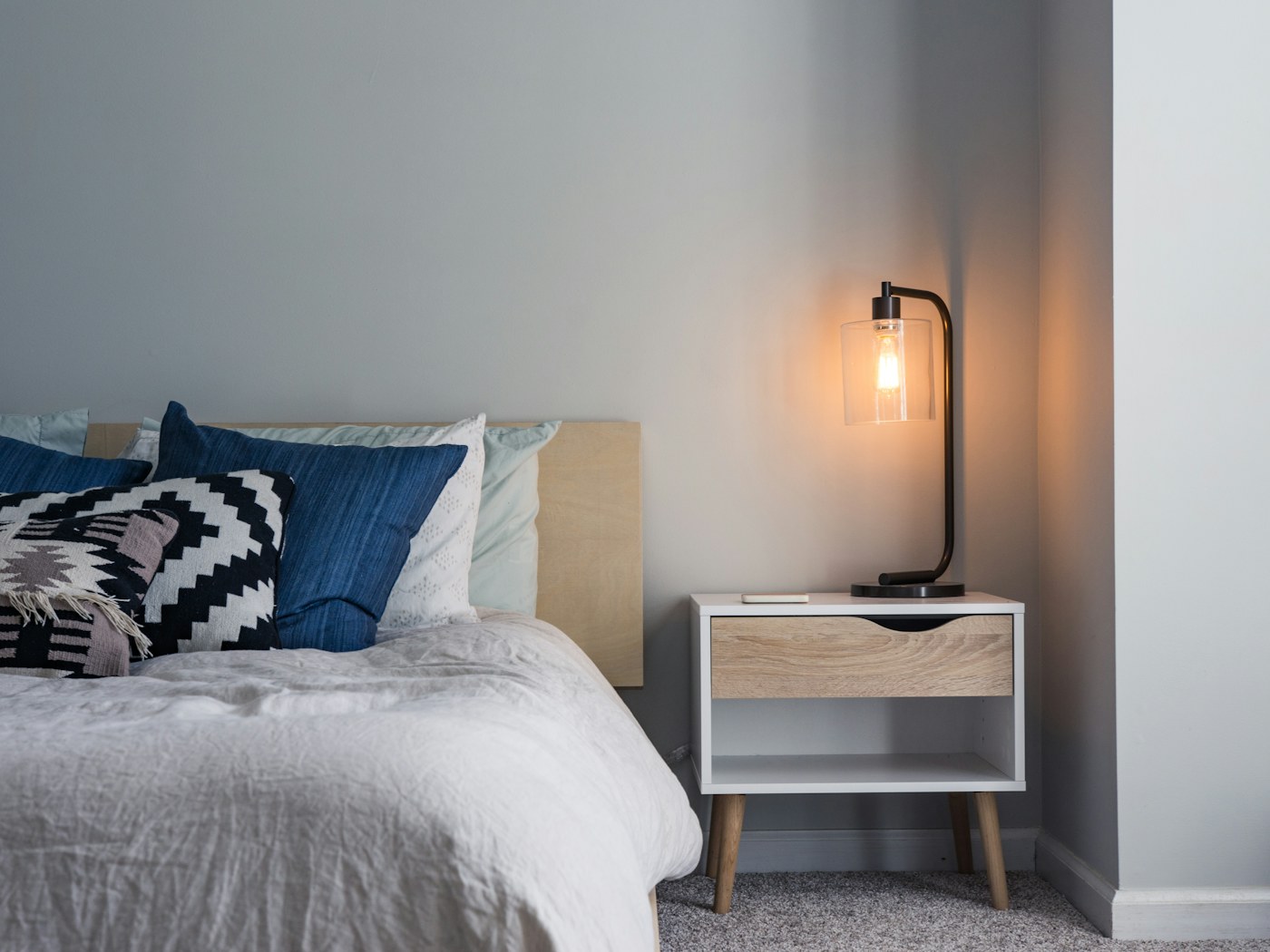
Corner ties, a wide opening, fabric that matches your climate, and a realistic wash routine make a duvet cover less frustrating.
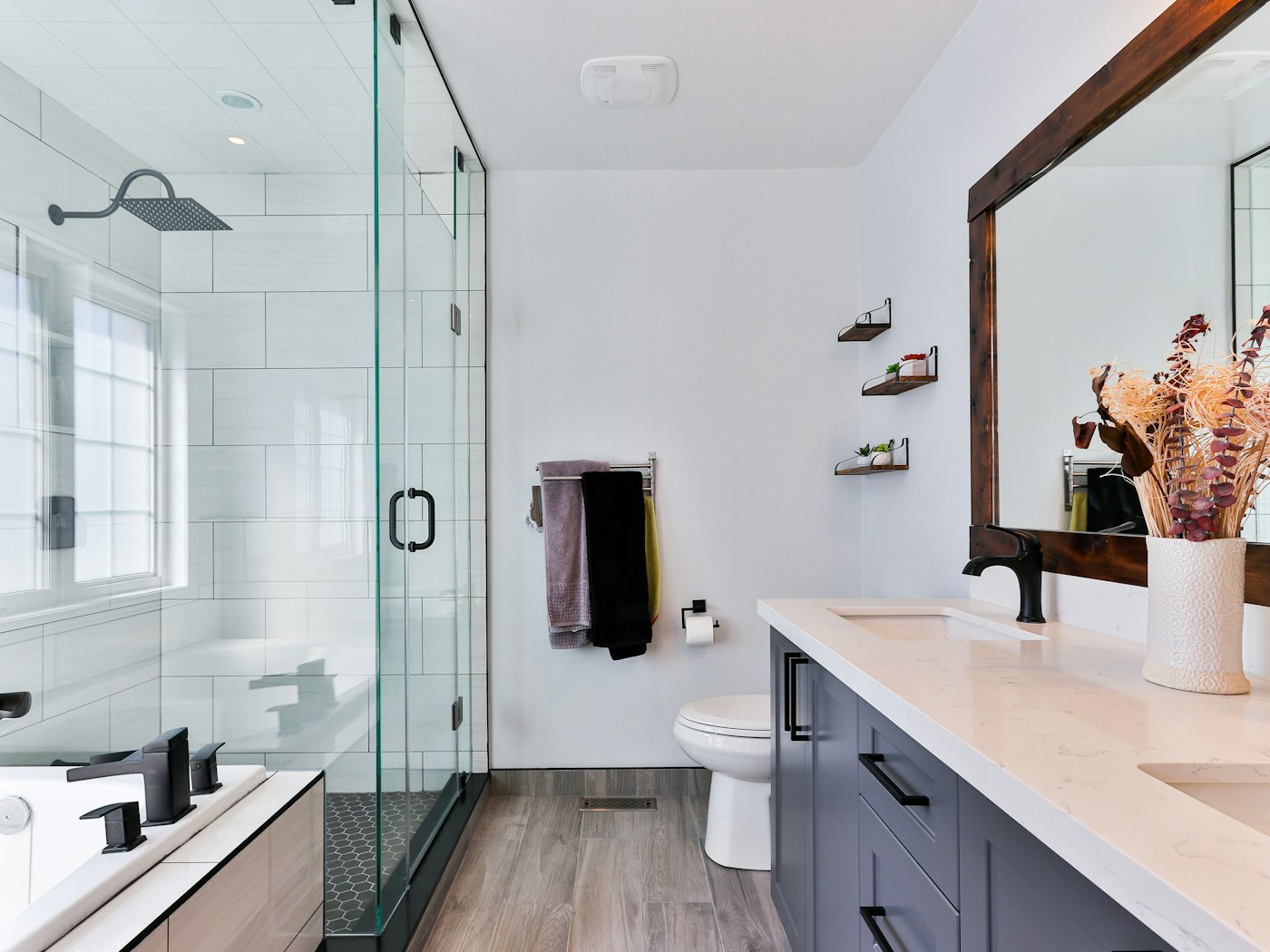
Organize around the morning sequence and keep daily items within one reach; deep containers often hide more than they help.
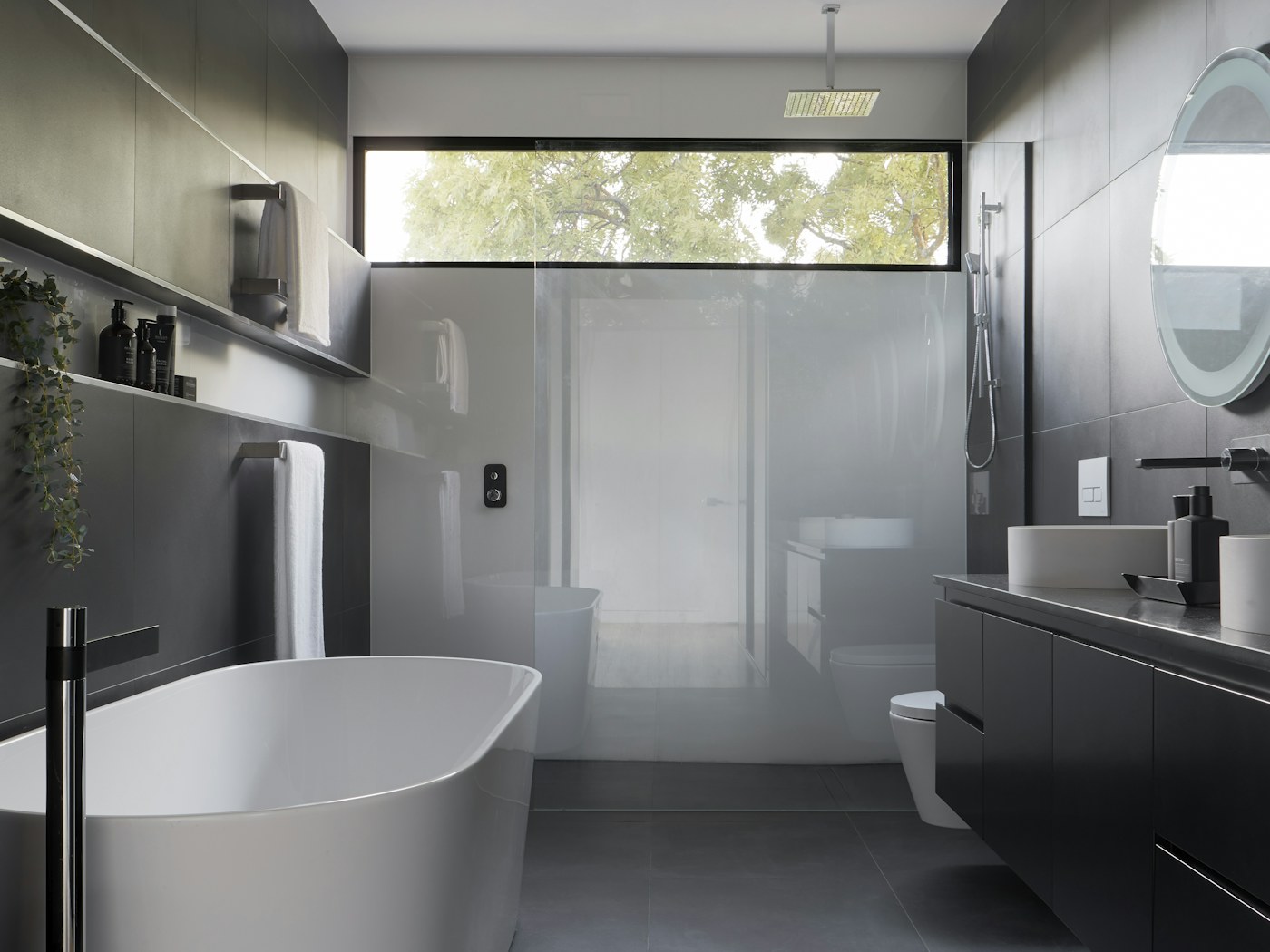
A bath mat needs grip, room to dry, and a washing schedule; thickness alone can make a small bathroom feel wetter.

Size the purifier for the room, check the noise at the speed you will use, and budget for genuine replacement filters.

Wide openings, few hidden channels, and a daily refill you can carry safely matter more than decorative mist effects.

Choose the airflow pattern, controls, and sound character for the room; the highest speed is rarely the one used all day.

Space heaters demand conservative placement, direct wall power, and attentive use; convenience never replaces the manual.
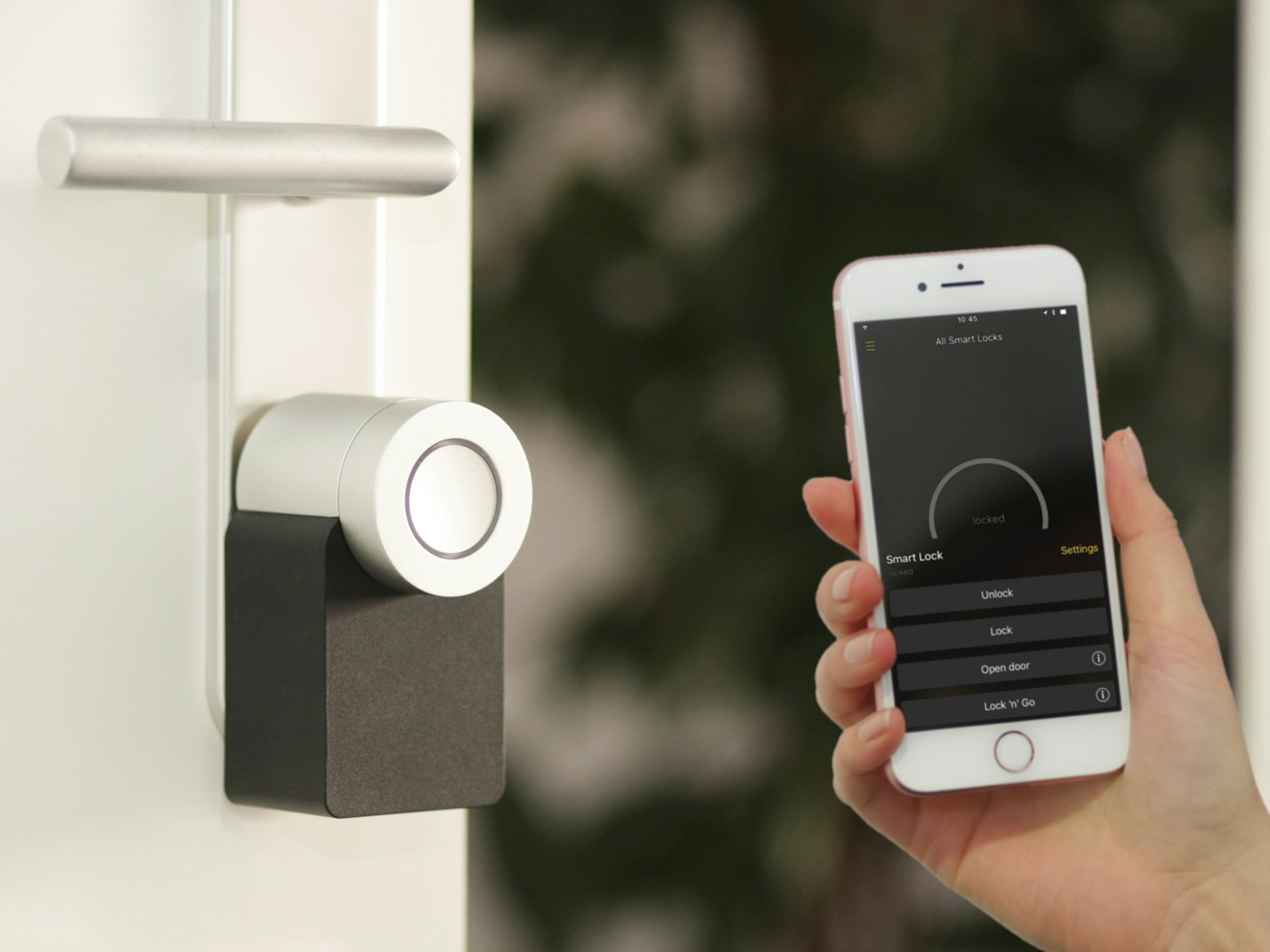
Use smart plugs for simple, low-risk loads and routines, while checking ratings, network support, and manual control.
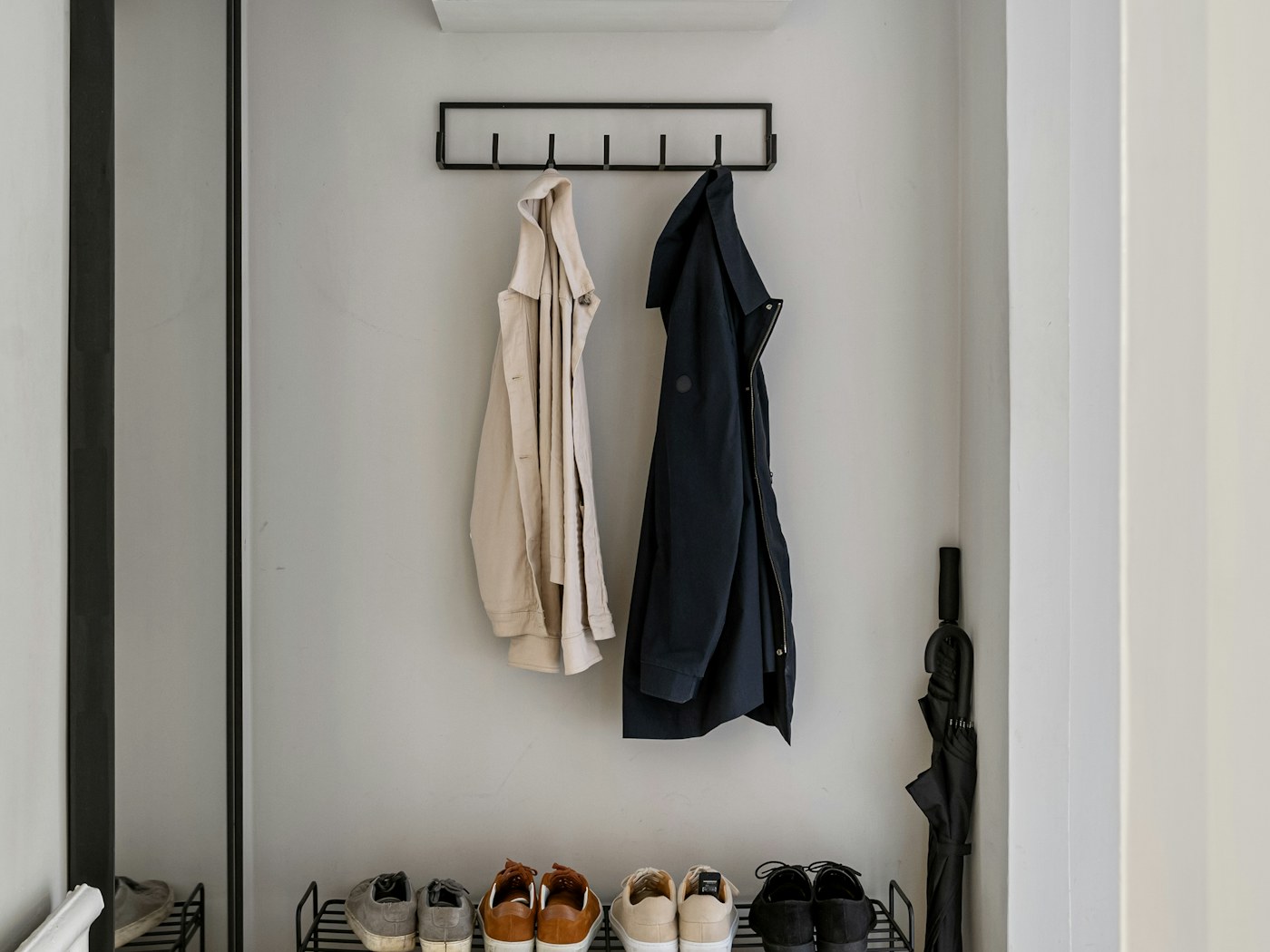
An effective entry uses an exterior scraper and an absorbent interior landing zone sized for a full stride.
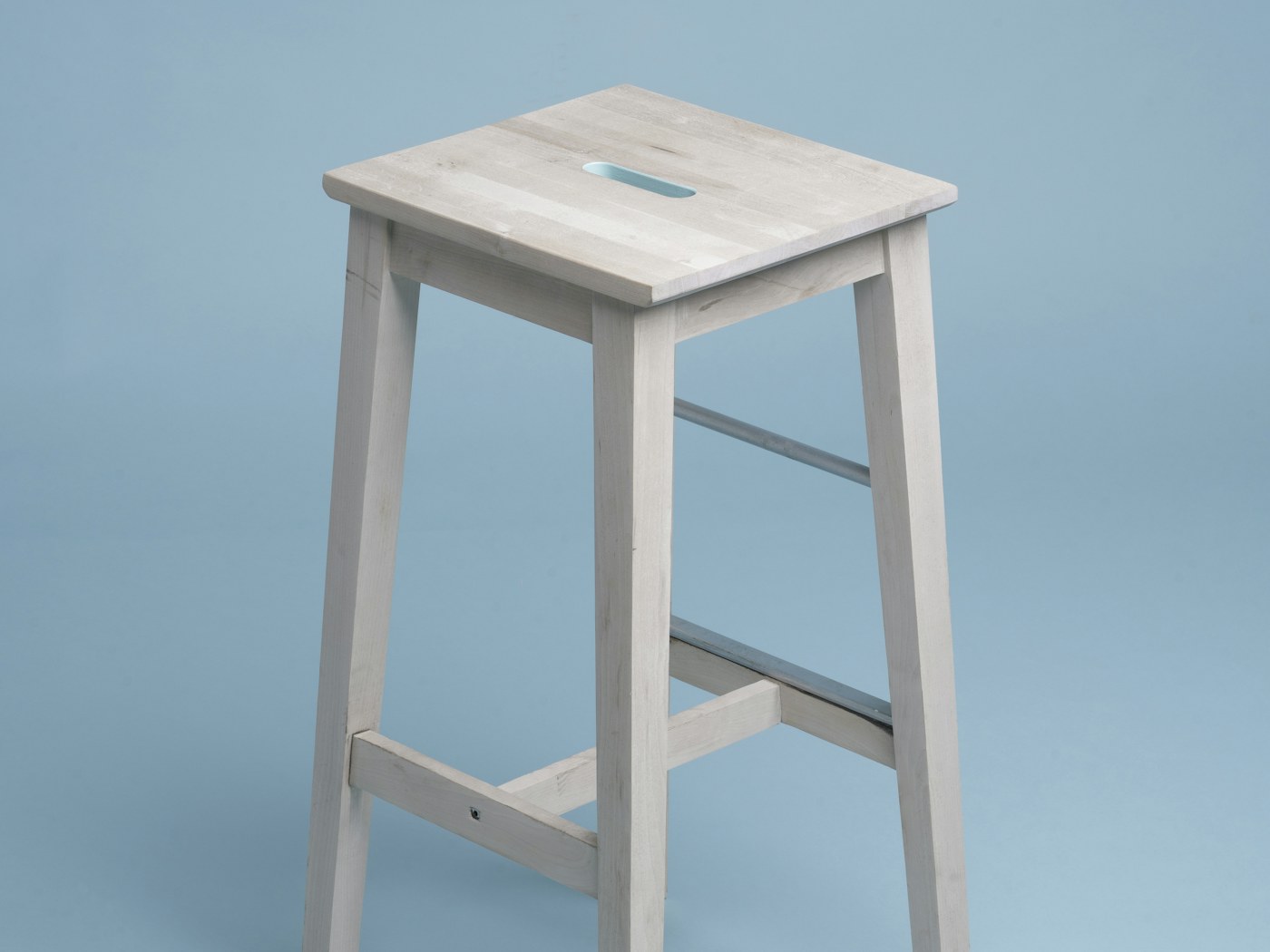
Choose a stool by reach height, footprint, locking design, and who will use it—not how small it folds.
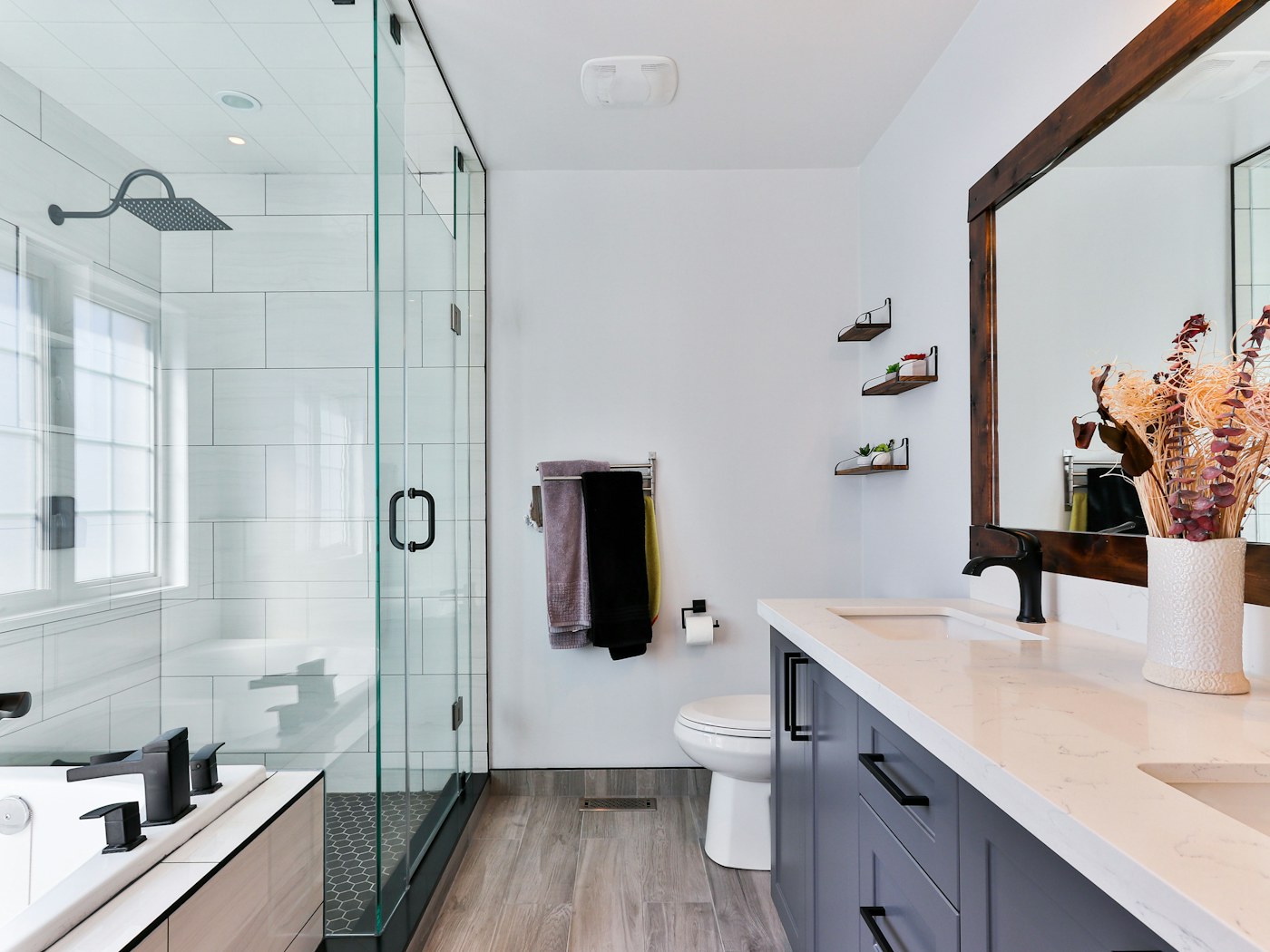
A wide opening, simple pump, visible fill level, and a washable base make refilling less messy and more hygienic.
Practical comparisons, honest tradeoffs, and routines designed for real homes.
Explore everyday guides