
Guidora Daily buying guide
Clear Bins vs. Baskets: Where Each Works Best
Editorial disclosure: This guide is based on published product information, common household use cases, and practical selection criteria; it does not claim hands-on testing. Some retailer links may become affiliate links, which could earn us a commission at no extra cost to you. Read our full disclosure.
Clear bins are excellent when forgetting an item causes duplicates. Opaque baskets are better when a shelf is visible from the sofa and the category is easy to remember.

Visibility helps with backstock; visual calm helps in living spaces. Use each container where its strength supports the room. The best purchase is the option that fits your space, habits, care routine, and household—not necessarily the model with the longest feature list.
Quick verdict
Begin with the friction you want to remove, then compare two or three formats that solve that specific problem. Check measurements and care requirements before adding features. If an item is awkward to clean, store, refill, or return to its place, it is unlikely to improve the routine for long.
What matters in a real home
A product page can tell you dimensions and materials. It cannot know the width of your cabinet door, who puts things away, or whether the item will be used in a five-minute morning rush. These are the practical checkpoints to bring into the comparison:
- Whether seeing contents prevents waste or creates visual noise. Treat this as a minimum requirement before comparing finish or style.
- A handle that works at the shelf height. Picture the busiest normal use, including wet hands, a full load, or limited light.
- Straight sides for efficient cabinet use. Check the manufacturer’s current measurements and instructions rather than relying on listing photos.
- Washability for food, bath, or utility zones. A simpler design that supports routine care is often the more durable value.
Measure the space twice: once when empty and once while nearby doors, drawers, or appliances are moving. If several people use the item, include the shortest reach, the heaviest realistic load, and the least patient cleanup in your decision.
Three useful directions
These are product types rather than unverified “winners.” They give you a focused starting point for comparing current listings and specifications.
1. Clear handled bins
Best for: pantry and bathroom backstock.
Why it works: Contents and quantities stay visible during a quick check.
Tradeoff: Mixed packaging can look busy.
2. Woven open baskets
Best for: living-room throws and visible shelves.
Why it works: Texture softens the room while keeping large items accessible.
Tradeoff: Natural fibers are harder to wipe clean.
3. Opaque washable bins
Best for: toys, cleaning items, and mudrooms.
Why it works: They hide visual clutter and tolerate regular wiping.
Tradeoff: Labels become more important.
Retail assortments change, so confirm the seller, dimensions, included parts, material, care instructions, safety guidance, and return terms on the current listing before ordering. We intentionally avoid displaying a fixed price when there is no verified price-update system.
A practical buying plan
1. Start with the routine, not the product
Describe the moment that currently goes wrong: where it happens, what is in your hands, how much time you have, and where the item will return afterward. That short scene eliminates many products that look convincing in isolation.
2. Measure the full path
Measure storage, working clearance, handles, lids, door swings, and the route between rooms. For anything washed, also check the sink, dishwasher, drying spot, or laundry machine that becomes part of ownership.
3. Compare upkeep and replacement parts
Look for removable components, current care instructions, and replacement availability. A lower purchase price can be poor value when a small proprietary part makes the entire item disposable.
4. Put the routine in place
- Decide whether each shelf needs visibility or calm.
- Use one container per broad category.
- Leave roughly a hand-width of easy access above bins.
- Review backstock before each shopping trip.
What not to overpay for
Avoid tiny category labels that force every object into a micro-system. Broad, obvious groups are faster to maintain and easier for the whole household.
Premium finishes, oversized bundles, app features, and accessory packs may be worthwhile only when they serve a task you already perform. Put the budget into the part you touch, clean, move, or rely on most often.
Questions people ask
How many options should I compare?
Usually three well-chosen formats are enough: a simple value option, a flexible middle option, and a specialized option. Compare the same practical criteria across each one instead of opening dozens of nearly identical listings.
Does a higher price mean better quality?
Not by itself. Look for material details, construction, serviceable parts, care requirements, a useful warranty, and a return process. Pay more only when the upgrade supports your actual use case.
How does Guidora Daily make recommendations?
We organize choices by household scenario and rely on published specifications and manufacturer guidance. Unless an article explicitly documents a test method, it should not be read as a claim that our team personally tested a product.
Continue reading
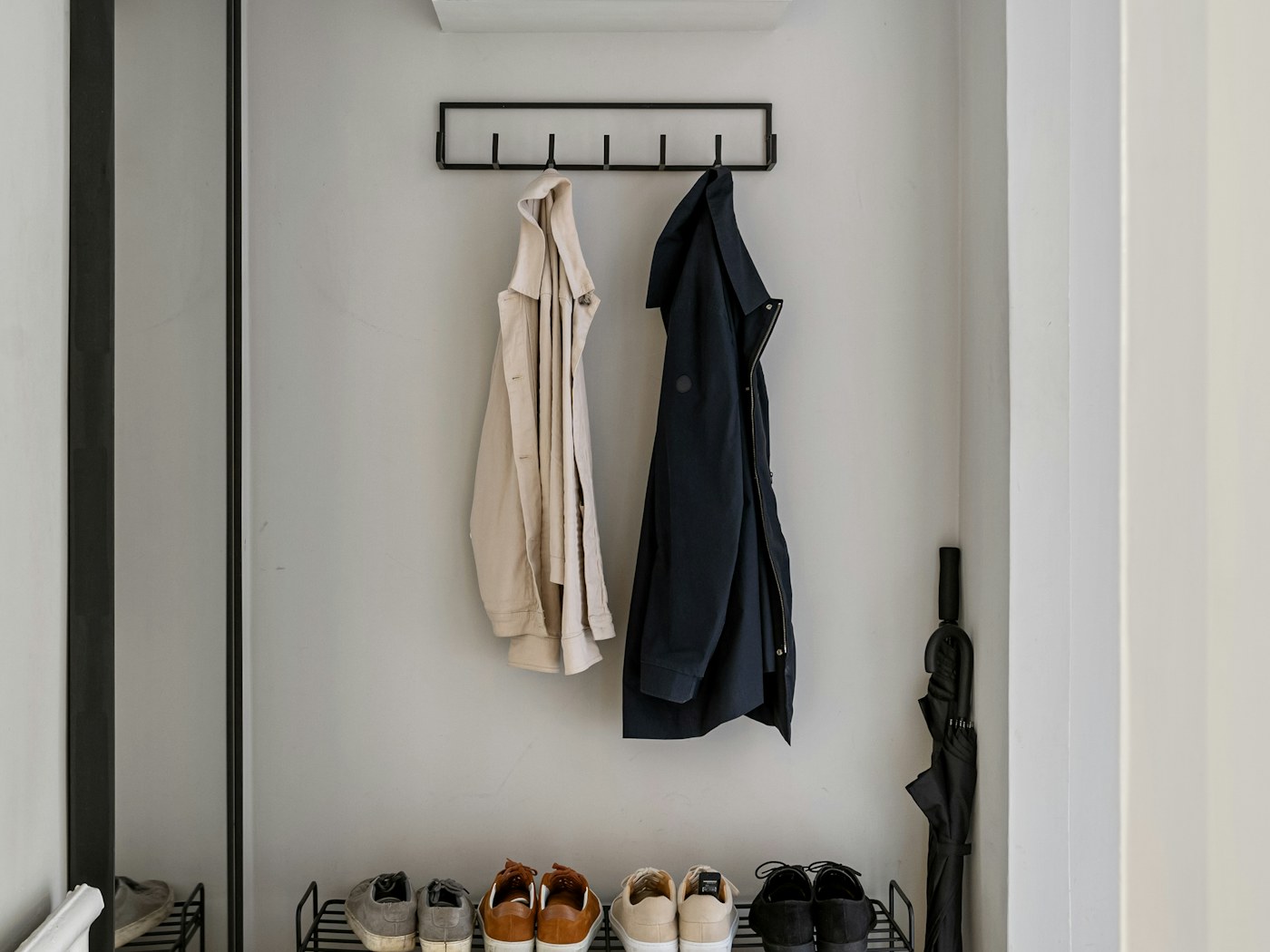
Entryway Storage for Shoes, Bags, and Daily Drop Zones
Design the entry around the first 30 seconds at home: shoes off, keys down, bag hung, mail contained.

Under-Bed Storage That Does Not Become a Dust Trap
Use the space for contained, low-frequency items with sealed tops and handles you can reach without moving the bed.